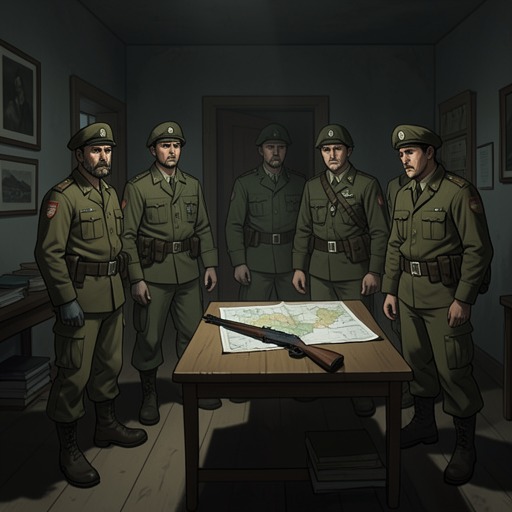
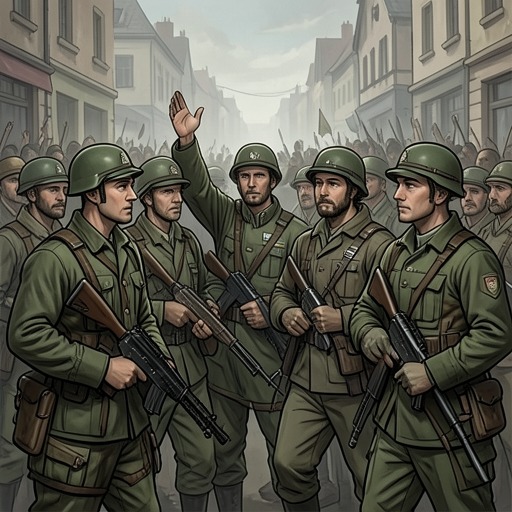
The difference between being a coward and a man is not whether you're scared, it's what you do while you're scared
Black Hawk DownThe difference between being a coward and a man is not whether you're scared, it's what you do while you're scared is an expression of courage as action under fear, not freedom from fear. Its significance in the scene lies in how it turns a frightened soldier’s private hesitation into a question of what he will do next.
Meaning and Form
The expression rejects the idea that fear itself proves cowardice. Instead, it makes conduct in the presence of fear the measure of courage. This distinction matters because the speaker does not claim to be unafraid: he says that he is scared too, and that he has never faced a situation like this. The appeal is therefore not to fearlessness or special experience, but to shared vulnerability and the obligation to act.
Use in the Scene
The speaker directs the expression to Thomas, who has repeatedly said that he cannot go. Before urging him onward, the speaker says that he understands how Thomas feels, mentions that he is married, and asks him not to think of himself as a coward. He then connects the decision to go with the men’s job. The expression makes that appeal direct: fear is acknowledged, but it does not settle the question of whether Thomas will fulfill his duty.
Consequence and Significance
Thomas does not appear persuaded by the answer; he walks away. Yet as the men are about to leave, the speaker sees that Thomas has climbed aboard with them. The sequence gives the expression its practical force without suggesting that fear vanished or that Thomas welcomed the argument. Its distinction is enacted in the change from refusal to joining the group: courage is not presented as a feeling, but as the action taken while fear remains.